
Drugs
Findings from 2025 NZDTS released – meth prices halved since 2017
The Drug research team released the first batch of 2025 research bulletins today, focusing on methamphetamine and cocaine. The findings show the price of a gram of meth dropping by 55% since 2017 when adjusting for inflation. Notably, 57% of respondents who used meth reported they did so at least weekly, representing a 30% increase compared to 2018/19. These findings help contextualize rapid escalation of national methamphetamine consumption recorded by wastewater testing since late 2024 and provide valuable indications of the drug use and drug market context underpinning this unprecedented rise.
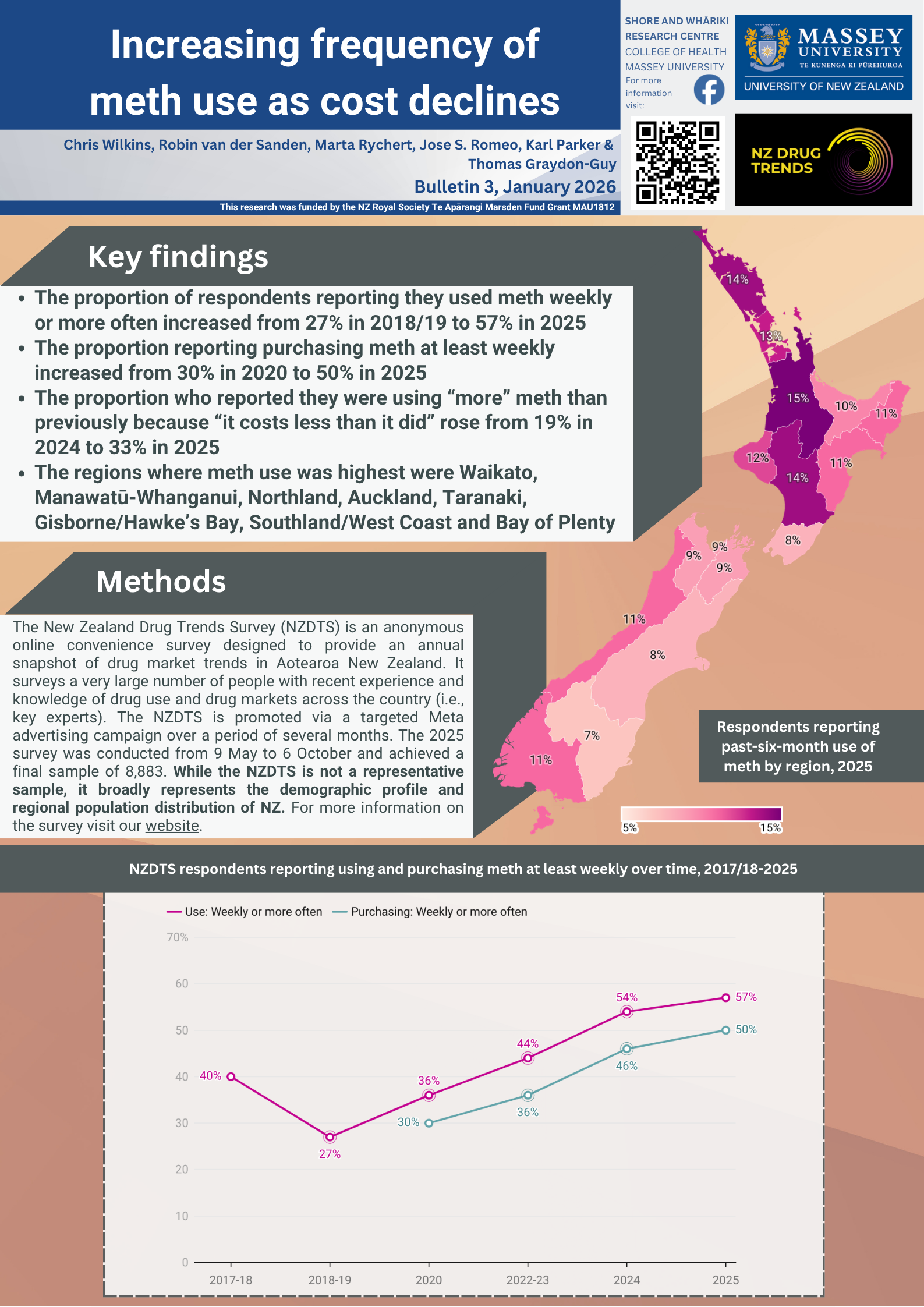
Additionally, national cocaine consumption continues to surge, and availability of this historically difficult to source drug continues to increase. 2025 NZDTS findings showed over 60% of respondents who use cocaine reported it was currently “easy” or “very easy” to obtain in their regions.
The Drug research team is planning several releases through to April 2026, prior to the start of a new round of NZDTS recruitment for 2026. All bulletins will be accessible via the NZ Drug Trends website.
Launch of New Zealand Drug Trends Website and first 2024 NZDTS results!

The SHORE Drug Research Team has launched their new website as project hub and digital home for the New Zealand Drug Trends Survey (NZDTS). The team have been running the NZDTS annually since 2017/18 and regularly publish research bulletins on survey findings for public release. The website will collate past and present bulletins in an NZDTS archive for public access and updates on team projects, open release articles and news.
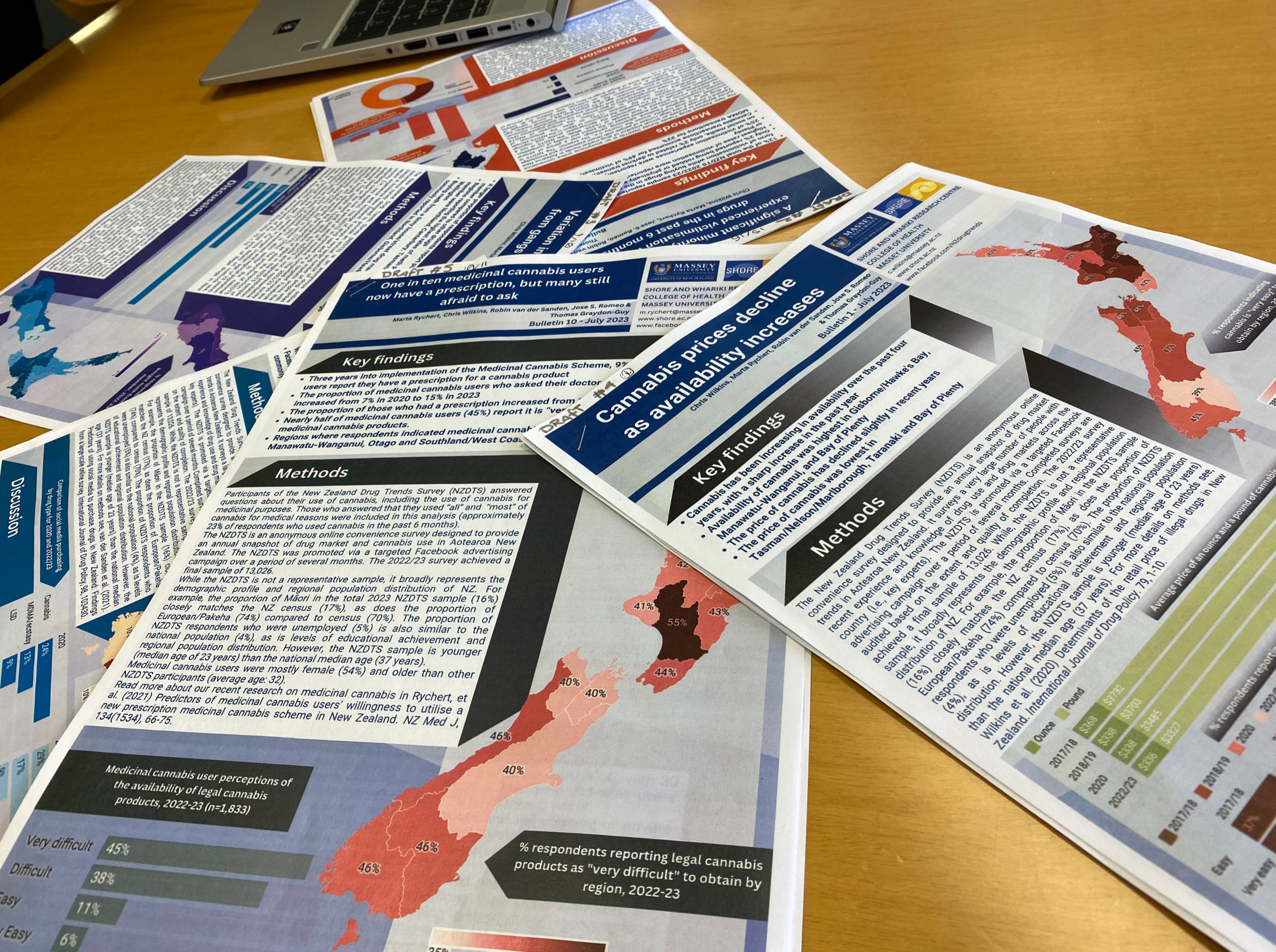
The first batch of 2024 research bulletins have also been released this month, with findings showing price declines for methamphetamine, increasing cocaine use and recovering availability of ‘party drugs’ like MDMA/ecstasy and LSD/psychedelics after disruptions to drug supply chains during the pandemic.
Monitoring recent trends in drug use and drug markets
The proportion of police arrestees who reported using methamphetamine increased from 26% in 2010 to 38% in 2016. 2016 NZ-ADUM
The proportion of frequent drug users who had tried a new drug for the first time increased from 24% in 2009 to 37% in 2014 2014 IDMS.
The proportion of frequent drug users who purchased methamphetamine from a gang member increased from 36% in 2013 to 50% in 2014. 2014 IDMS
The emergence of new psychoactive substances (“legal highs”)
Twenty percent of those who used synthetic cannabinoids reported reducing their use of natural cannabis. Read more
New methodologies to monitor drug use
A wastewater study in Auckland found high levels of methamphetamine use but low levels of MDMA and cocaine use. Read more
More information on our drugs research here
New research sheds light on “store-within-a-store” vape retailers in high socio-economic deprivation suburbs
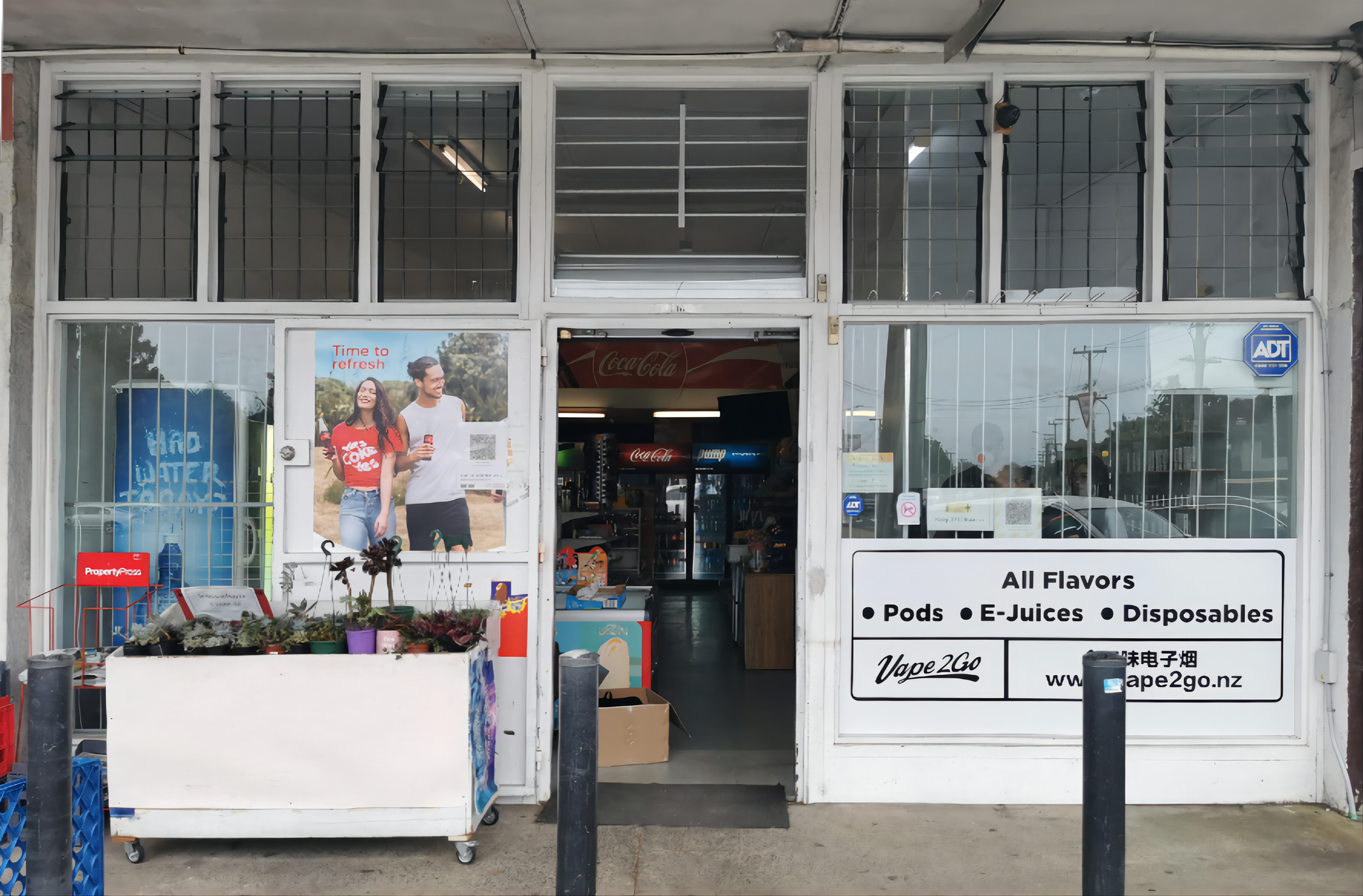
New research published with the New Zealand Medical Journal this month shows how regulatory loopholes have facilitated the rise of “store-within-a-store” vape retailers linked to dairies and convenience stores. The study was carried out by the Drug research team at SHORE, alongside colleagues from Massey, Otago, Victoria and AUT, using an innovative Google Maps scoping method to explore different types of vape retail across selected suburbs in Auckland with different socioeconomic, geographic and population characteristics.
The study findings showed that the number of “store-within-a-store” vape retailers was considerably higher in high socioeconomic deprivation suburbs. Findings raise questions around whether this type of vape retail may play an outsized role in undermining current regulatory efforts to curb exposure and access to appealing vape products among youth in these areas. Study findings provide actionable recommendations for policymakers to close current regulatory loopholes to help strengthen current policy efforts to curb youth vaping.
PhD research sheds valuable light on women’s experiences with medicinal cannabis in New Zealand

A conversation piece published today by PhD student Vinuli Withanarachchie, alongside supervisors Associate Professor Marta Rychert and Professor Chris Wilkins provides insight into women’s experiences with medicinal cannabis use and access in Aotearoa New Zealand. The piece illustrates both the clear demand for medicinal cannabis access among women, as well as gender-specific barriers to accessing medicinal cannabis they may face, which may push many into buying cannabis illegally to treat medical symptoms. Vinuli highlights issues such as work and pay disparities, and childcare responsibilities as factors limiting women’s abilities to access or pay for legal cannabis products, as well as their risk of facing sexual harassment or intimidation when accessing illegal products. Vinuli’s work underscores the importance of ensuring equitable medicinal cannabis access for women in New Zealand.
Evaluating the Psychoactive Substances Act 2013
A number of concerns were raised about the design of the Psychoactive Substances legislation. Read more
Concerns have been raised about the types of “legal high” products approved under the psychoactive substances regime. Read more
Designing future regulatory options for cannabis
“Not-for-profit” incorporated societies could be licensed to sell cannabis and be required to return 40% of sales income to drug treatment and community groups and a further 20% to the government in levies, similar to “pokie” and alcohol trusts.
Read more
Cannabis “clubs” could provide cannabis to club members and promote responsible use without any need for retail outlets. Read more